
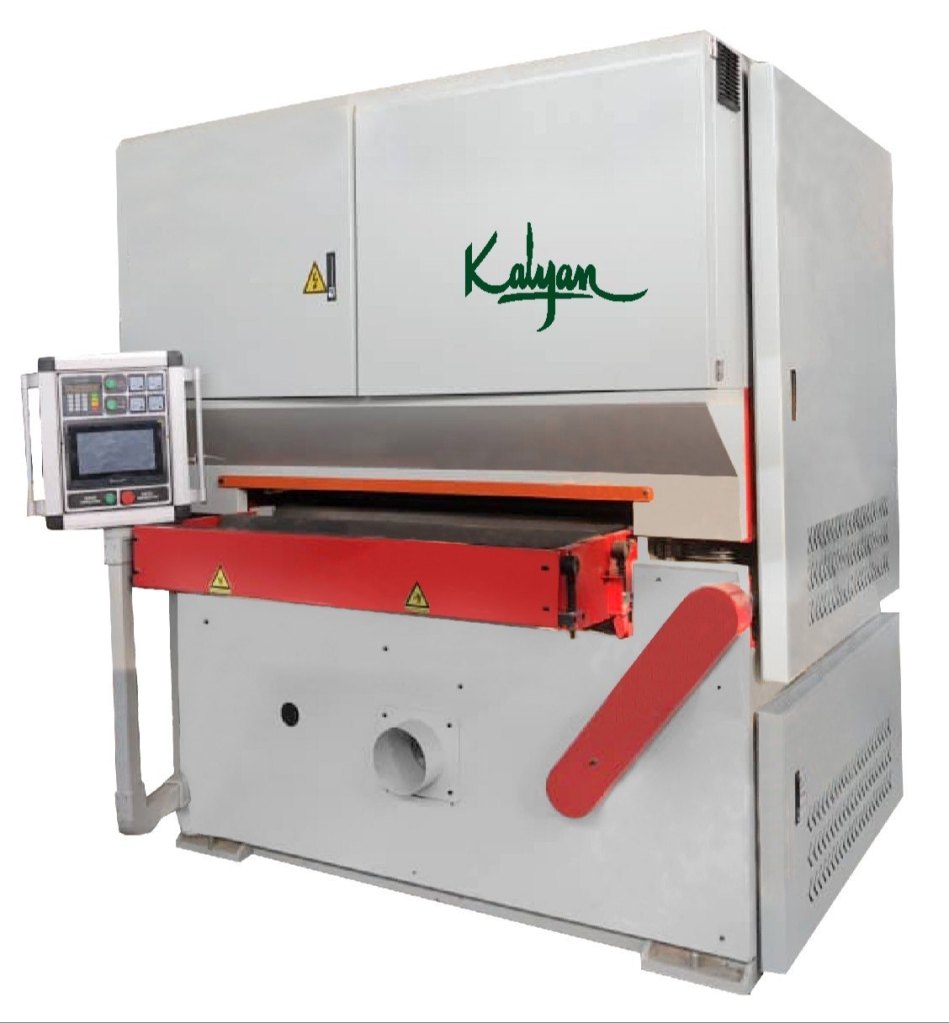
Calibrated ply, also known as calibrated plywood, is a type of plywood manufactured with a focus on achieving uniform thickness and a smooth surface across the entire sheet. This is achieved through advanced machinery and precise manufacturing processes, often involving sanding the plywood after the pressing stage to ensure consistent dimensions.
Here’s a breakdown of what that means:
- Uniform Thickness: Unlike traditional plywood where slight variations in thickness can occur, calibrated plywood is produced to have a consistent thickness throughout. This is crucial for applications requiring precise fitting and alignment, such as modular furniture and cabinetry.
- Smooth Surface: Calibrated plywood typically has a smoother, often sanded surface compared to regular plywood. This makes it ideal for post-lamination processes, applying veneers, painting, and achieving a high-quality finish without extensive additional preparation.
In essence, calibrated ply offers greater precision and a better surface finish compared to traditional plywood.
Key benefits of calibrated ply include:
- Precise fitting: Uniform thickness ensures seamless alignment in applications like modular furniture.
- Superior finish: The smooth, often sanded surface is ready for various finishes.
- Dimensional stability: Less prone to warping or bending due to consistent construction.
- Ease of machining: Uniform thickness allows for accurate cutting and routing.
- Durability: Often manufactured with good quality control, leading to improved bonding and strength.
Common applications of calibrated ply:
- Modular furniture
- Kitchen cabinets and wardrobes
- Interior design elements like wall paneling and false ceilings
- Automotive interiors
- Architectural projects
- Flooring
- Shuttering work where consistent thickness is importan
 JAYA MAA KAMAKHYA INDUSTRIES PVT. LTD.